Interior painting · City of Grosse Pointe, Michigan Interior painting in the City of Grosse Pointe, seen up close
In the City’s older, close-set houses, you live at arm’s length from the walls, woodwork and windows. Paint is judged up close, so the repairs and details carry the job.
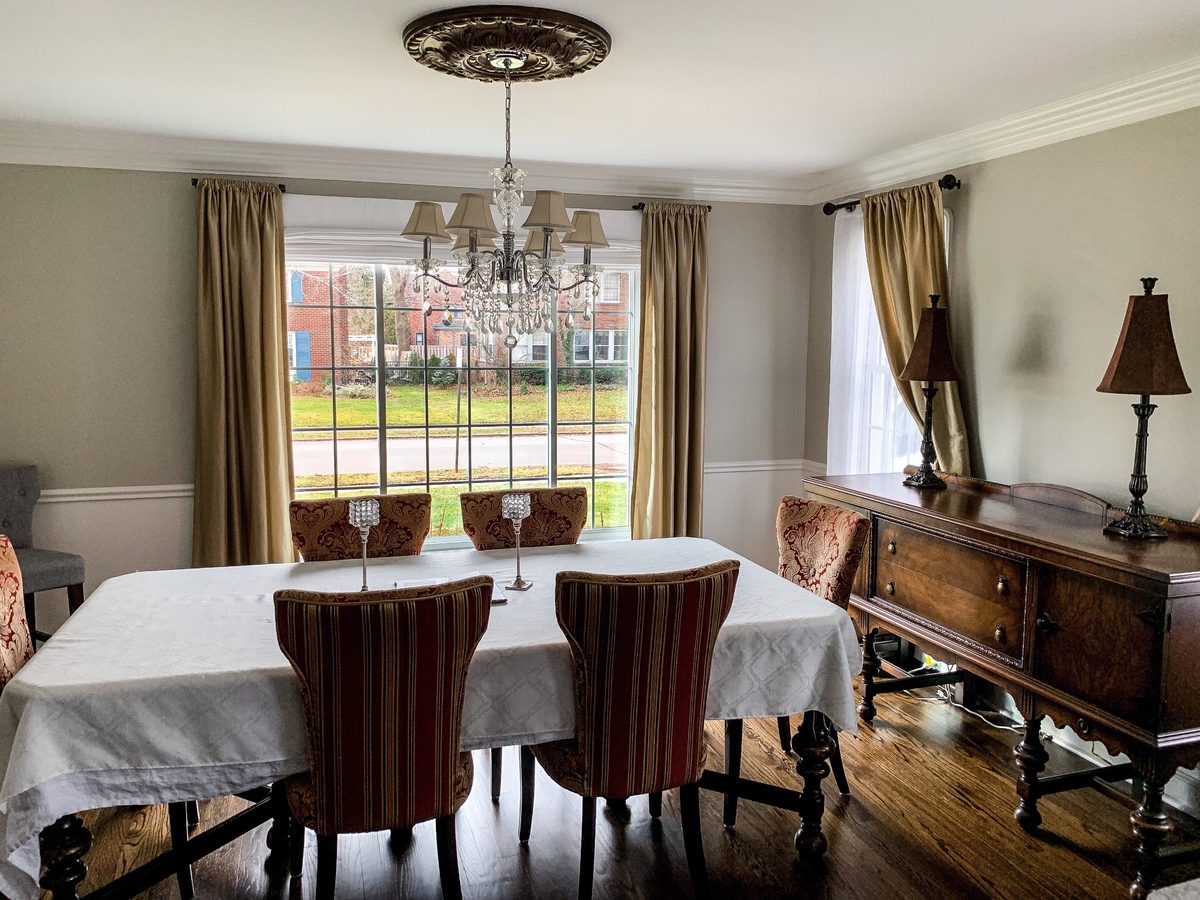
Guiffre’s Painting Co. paints home interiors in the City of Grosse Pointe, the compact, walkable Pointe that is home to the Village shopping district on Kercheval Avenue and to Neff Park on the lake. Many of its homes are older and set close together, which shapes how their rooms should be repaired, prepped, painted and scheduled.
For more than 37 years, Bob Guiffre has painted homes across Grosse Pointe and Metro Detroit, more than 1,800 in all. His son, Bobby, works beside him on every project, and we paint with Sherwin-Williams.
Inside an older house, paint is seen at arm’s length and in every kind of light. A trim line that wanders, a sash painted shut or a plaster patch that flashes dull beside a window all show, so that’s where the care goes first.
What do older City interiors need before painting?
Inside, expect plaster walls and original wood trim. Some homes also keep stained woodwork that has never been painted, and that deserves a decision of its own. Sorting out these details is the heart of interior painting in an older house.
Stained woodwork is a one-way choice. Paint goes over it well with proper cleaning, deglossing and priming, but getting back to bare stained wood later means slow, painstaking stripping. If you’re unsure, paint the walls first and live with the trim for a while. Our guide to painting decorative woodwork and paneling lists what to check before you commit.
Windows and radiators take their own care. Inside, sills and lower casings take the most abuse from cold-weather condensation, so they suit a durable satin or semi-gloss. A careful painter never paints a sash shut: it’s left slightly open while the paint skins over, and the seam between sash and stop is cut with a knife once the paint is dry to the touch. See painting old wood windows. Many older houses also still have radiators. These are painted only when completely cool, with a paint made for heated metal (check the label), and valves are never painted shut; our radiator guide has the details.
Lead deserves attention. Homes built before 1978 may contain lead-based paint. Under the EPA’s Renovation, Repair and Painting rule, paid work in a pre-1978 home that disturbs more than 6 square feet of painted surface per room inside, or more than 20 square feet outside, calls for certified firms and lead-safe work practices. Our guide to lead paint in older homes explains what to ask.
How should old plaster be repaired before a City room is painted?
Plaster takes paint well once it is sound, and in a house where you stand an arm’s length from every wall, the repairs are what a close look catches. Cracks, loose spots and old anchor holes should be filled with compounds suited to plaster and primed before the finish coats, or they show through as dull patches. A repair is done when you can run a hand over it, and then look along it with a lamp held close to the wall, without finding an edge.
Old walls can hold other surprises. Some carry calcimine, a chalky, water-soluble paint, and some still have wallpaper paste on them. Both must be washed off or sealed with a suitable primer, or new paint can peel. A damp cloth wiped over a hidden spot will often show whether the surface comes off chalky, so mention it before anyone paints.
Loose or hollow-sounding plaster has to be fastened back before any patching; our guide to loose plaster repair explains how. Older plasters, joint compounds and textured ceilings may also contain asbestos, so a suspect material should be tested before anyone scrapes or sands it. Our wall and plaster repair page and the guide to painting plaster walls show how repairs fit into a painting project.
Which interior colors suit an older Colonial Revival or Georgian home?
Colonial Revival and Georgian houses, two of the period-revival styles found across the Pointes, were designed around symmetry and repeated trim. Inside, that argues for one trim white throughout and calm wall colors that let the woodwork and moldings do the talking.
- Trim and doors: Extra White SW 7006, a bright, crisp white that leans slightly cool, or Pure White SW 7005 for something softer and less stark. Pick one and use it, in one sheen, on every casing and door.
- Living and dining rooms: Shoji White SW 7042, a soft off-white with a greige cast, is a calm wall color beside original wood trim, painted or stained.
- A room that stays dim: Greek Villa SW 7551, a warm, gently creamy white, is worth sampling where the light is weak.
- A study or evening dining room: Naval SW 6244, a deep navy, gives a traditional room depth under lamplight.
Chips and screens mislead, and a room that faces a neighbor’s wall a few feet away can be dim even at noon. Test real samples on your own walls and look at them morning and evening, with the lights on, before you decide. Our guides to painting Colonial Revival interiors and interior colors for older homes go further.
How do you plan interior painting in a compact City house?
Older City houses have little spare room to shuffle furniture, and the rooms you want painted are usually the ones you use every day. A few early decisions keep the household running while work goes on.
- Clear and protect. Floors, furniture and plants are protected before work starts, as our process page describes. You can help by emptying shelves and taking down art and curtains; preparing your home for interior painters has a full list.
- Ask how dust and chips are contained. In a compact house, scraping and sanding dust travels into the next room quickly, so daily cleanup and keeping the work area closed off matter, especially in a pre-1978 house.
- Use the cold months. Interiors suit any season, and winter works well as long as rooms stay at or above the label’s minimum temperature. See painting inside in a Michigan winter.
What does an exterior on the City’s older blocks need?
We paint exteriors in the City too, in the same Lake St. Clair weather of wind, moisture, humid summers and freeze–thaw. On a walkable block, three parts of the house get the closest looks. The front door, handled daily and seen from a few feet away, deserves light sanding between coats and a durable exterior enamel. Porch floors and steps need a coating made for porches and floors, and rail joints need sealing, or water gets in and lifts the paint at the seams. Original wood sashes need sound glazing putty and paint lapped slightly onto the glass, without gluing the sash shut. Siding and trim still need washing, scraping, priming bare wood and caulking open joints.
The classic Colonial Revival and Georgian palette is crisp contrast: Extra White SW 7006 or Pure White SW 7005 trim, Tricorn Black SW 6258 shutters (a true, neutral black, classic with red brick or white siding) and a Rookwood Red SW 2802 front door, a deep historic oxblood red that gives a traditional entry weight without shouting.
A freshly painted porch floor needs time before foot traffic and longer before furniture returns. Light foot traffic usually comes well before full cure, but cool or damp weather slows both, so check the label and use another door meanwhile. Before painting a porch floor, wash it, let it dry and pour a little water to see where it pools, because paint fails first wherever water sits. On lots this close, ground covers and daily cleanup keep scraped chips out of a neighbor’s yard. If the season is tight, the front door, porch and street side are what a walkable block sees every day.
Services
Painting services in City of Grosse Pointe.
Interior and exterior painting and wall & plaster repair, by Bob and Bobby Guiffre with Sherwin-Williams paint.
Interior painting
Walls, ceilings, trim and doors in City of Grosse Pointe — prepared properly and finished with clean, even lines.
Wall & plaster repair
Cracks, holes, loose plaster and tired old patches repaired properly — so the paint over them looks right.
Exterior painting
Siding, trim, windows and doors — prepared and painted to stand up to Michigan’s humid summers and freeze–thaw winters.
Guides
Reading for City of Grosse Pointe homeowners.
What Makes Painting a Grosse Pointe Interior Different
Plaster, layered woodwork, radiators and tall ceilings change almost every decision in an older Michigan interior. Here is what a careful job looks like, surface by surface.
Read the guidePainting Colonial Revival Interiors: Symmetry, Paneled Doors and Consistent Trim
Colonial Revival rooms are built on repetition, so a small inconsistency in color or sheen shows up everywhere the eye travels.
Read the guidePainting interior trim and doors: what makes trim look professional
Crisp trim comes down to prep, the right enamel and patient brushwork. Here’s what separates trim that looks professional from trim that looks rushed.
Read the guideFAQ
City of Grosse Pointe questions.
Do you paint homes in the City of Grosse Pointe?
Yes. The City of Grosse Pointe is one of the areas Guiffre’s Painting Co. serves, and we paint interiors, including plaster repair and original woodwork, as well as exteriors there. With so many older homes set close together, we plan prep, containment and cleanup with the household in mind.
Should we paint the original stained woodwork in our older home?
That’s your call, but treat it as permanent. Paint goes over stained wood well with proper cleaning, deglossing and priming, while stripping it back later is slow and painstaking. If you’re undecided, paint the walls first and decide about the trim later.
Our room faces the neighbor’s wall and looks dim. How should we choose a color?
Test large samples on the wall itself and look at them morning, midday and evening, with the lights on. Dim light tends to make a color look darker than the chip, so a warm, gently creamy white such as Greek Villa SW 7551 may suit the room better than a cool one. Screens and chips mislead, so let the real sample decide.
Painting in City of Grosse Pointe?
Tell us about your home in City of Grosse Pointe and we’ll be in touch to talk through the project and set a time to see it.